

Fueling the Machine: The Science of Nutrition
Exercise helps your body get stronger, but good nutrition gives your body the building blocks it needs to grow and recover. The foods you eat can help reduce inflammation, support healthy hormone balance, and help your body recover from physical stress, including the stress caused by cancer treatments.

Expert Perspectives
Johanna Gaston, PhD(C), MS, RD
Director of Nutrition (PhD Candidate), TheBrightPath Foundation
"Optimal wellness starts at the cellular level. Our approach integrates the latest clinical data with practical, sustainable dietary habits."
Johanna specializes in anti-inflammatory nutrition and survivorship wellness. Her research focuses on the intersection of metabolic health and long-term recovery outcomes for men impacted by prostate cancer, bridging the gap between complex oncology research and everyday nutritional choices.
The Healthy Eating Plate Framework
Nutrition can often feel overwhelmingly complex, with fad diets constantly contradicting one another. To cut through the noise, Harvard Health created the Healthy Eating Platea highly practical, evidence-based visual framework for building every single meal.
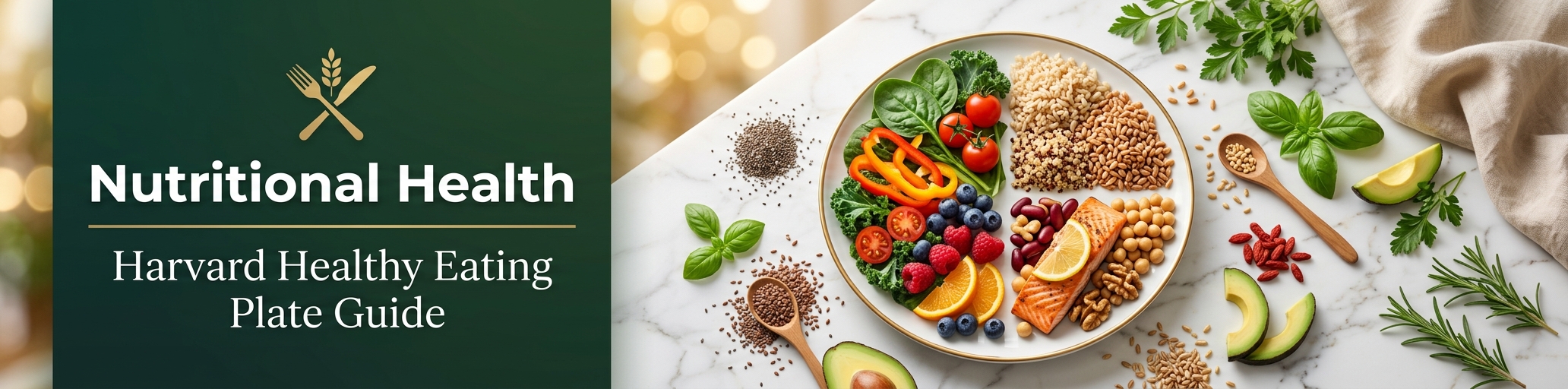
1 Make Half Your Plate Vegetables and Fruits
Choose colorful and varied vegetables. Vegetables like spinach, tomatoes, and broccoli contain nutrients and antioxidants that help protect your cells from damage and may lower inflammation linked to chronic disease. Try to eat a variety of vegetables in different colors. Potatoes and french fries do not count toward this goal because they can raise blood sugar quickly.
2 Go For Whole Grains (1/4 of your plate)
Choose whole grains when you can. Foods like whole-wheat bread, quinoa, oats, and brown rice have a smaller effect on blood sugar and insulin than white bread, white rice, and other highly processed grains. Keeping blood sugar and insulin levels steady can support healthy weight management, metabolic health, and lower the risk of Type 2 diabetes.
3 Prioritize Healthy Proteins (1/4 of your plate)
Protein is the primary building block for repairing muscle tissue after exercise and maintaining bone density. Fish, poultry, beans, and nuts are incredibly versatile protein sources that also provide healthy fats and fiber. Both Harvard and the AHA strongly recommend limiting red meat (beef, pork, lamb) and completely avoiding processed meats like bacon, hot dogs, and deli meats, which are linked to elevated cancer risks.
Understanding Fats, Oils, and Hydration
The science of nutrition has evolved significantly over the last two decades. We now know that dietary fat is not the enemy but the type of fat you consume is highly determinative of your cardiovascular health.
water_drop Healthy Plant Oils
Choose healthy vegetable oils like olive, canola, soy, peanut, and sunflower. These contain unsaturated fats that improve cholesterol profiles. Avoid partially hydrogenated oils, which contain toxic trans fats.
science Reading Labels
The AHA recommends paying intense attention to the "Added Sugars" line on nutrition labels. Added sugars provide zero nutritional value, spike inflammation, and rapidly convert to visceral fat in the liver.
local_drink Optimal Hydration
Skip sugary drinks, limit milk and dairy products to one to two servings per day, and limit juice to a small glass. Pure water, unflavored sparkling water, or tea should be your primary beverages.
restaurant_menu Portion Control
The size of your plate subconsciously dictates how much you eat. Using slightly smaller plates for dinner forces a reduction in caloric intake without triggering a feeling of psychological deprivation.