What Is Behavior Change?
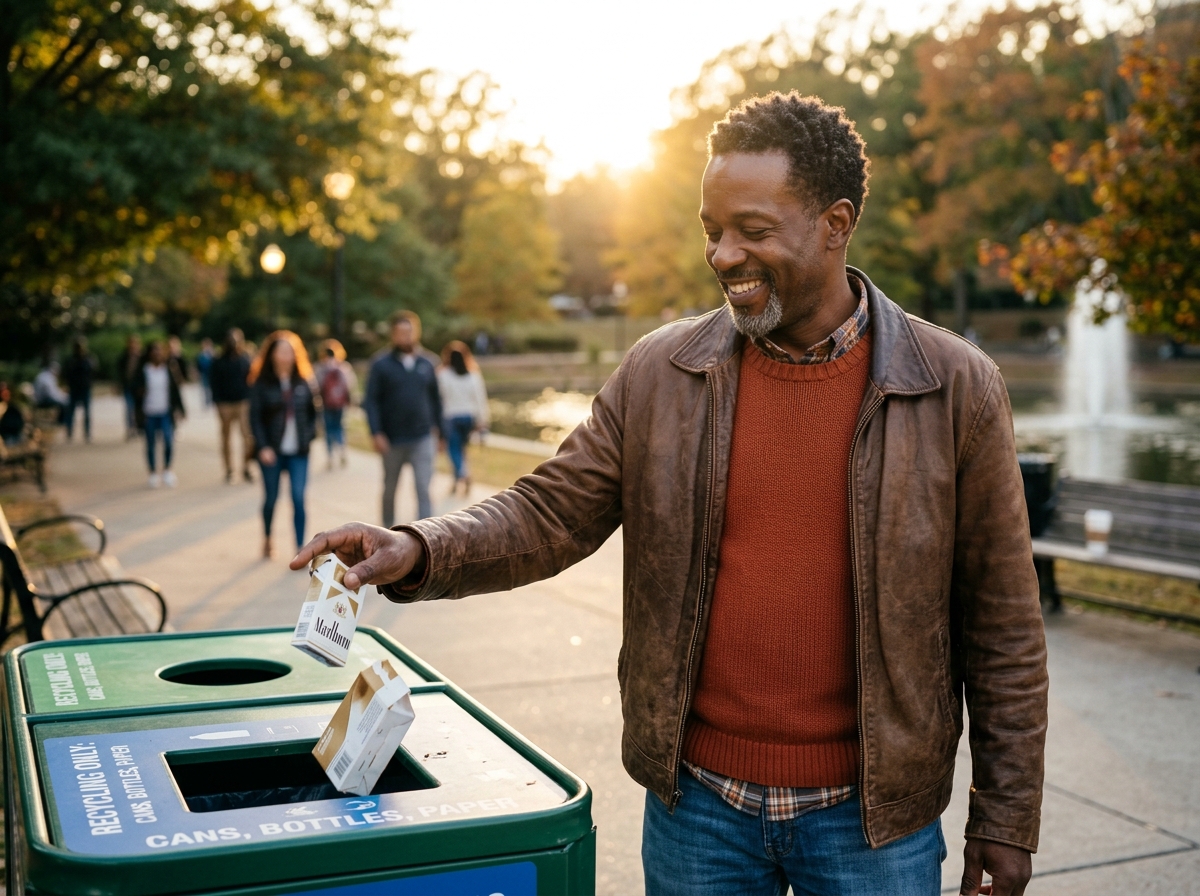
Behavior change is the process of modifying actions, routines, and habits that influence your health and well-being. It is a journey rather than a single decision.
Evidence-Based
Sustainable Change
A common misconception is: "I just need more willpower." In reality, successful behavior change involves many factors: motivation, environment, habits, social support, and past experiences. This is why BrightPath focuses on practical, sustainable change rather than perfection.
The BrightPath Behavior Change Journey
1. NOTICE
Recognize what you are currently doing.
2. CONSIDER
Decide whether you want to change.
3. PREPARE
Create a realistic plan.
4. ACT
Begin the new behavior.
5. PRACTICE
Repeat it and learn what works.
6. ADJUST
Modify your approach when necessary.
7. MAINTAIN
Continue the behavior as part of your routine.
8. RESET
If you experience a setback, begin again.
Stages of Change
Stage 1: Not Ready to Change
You may feel comfortable with your current behavior or feel change is too difficult. Start with awareness. Ask: How does this behavior affect my health? There is no need to force immediate action.
Stage 2: Thinking About Change
You may recognize that something needs to change but still feel uncertain. You recognize both reasons to change and reasons to stay the same. This is normal.
Stage 3: Preparing for Change
Once you decide to change, preparation is key. Choose a SMART goal, identify obstacles, prepare your environment, and schedule the behavior.
Stage 4 & 5: Taking Action and Practicing
Completing the behavior once isn't the same as establishing a lasting habit. You need to practice. The goal is to develop a routine that is realistic and sustainable.
Stage 6 & 7: Maintaining and Handling Setbacks
Maintenance does not mean nothing will ever interfere. Travel, illness, or stress can disrupt routines. A setback is not failure.
The BrightPath RESET Approach:
Recognize · Examine · Simplify · Edit · Try Again
Environment & Cues
nature_people Make the Behavior Easier
- Walk? Keep your walking shoes visible.
- Drink water? Keep a water bottle nearby.
- Cook? Plan meals and keep ingredients available.
- Journal? Keep your journal where you'll see it.
- Sleep? Create a predictable bedtime routine.
Your environment can either support or interfere with your goals.
link Identify Your Cues (Behavior Chain)
A cue reminds or prompts you to perform a behavior. Connecting a new behavior to an existing routine makes it easier.
Stress
Sit and snack
Temporary comfort
Understanding the chain helps you identify where a different action might fit.
Motivation + Environment + Action
MOTIVATION
Why do I want to change?
ENVIRONMENT
How can I make it easier?
ACTION
What specific behavior will I practice?
Behavior Change Across BrightPath
Example: Physical Activity
Reason: "I want more energy."
Preparation: "I'll walk after lunch."
SMART Goal: Walk 10 mins after lunch, 3 days/week.
Reflection: "Lunch walks are easier than evening."
Maintenance: Make them part of the weekly routine.
Example: Managing Stress
Awareness: Notice when stress increases at work.
Preparation: Choose a short relaxation practice.
SMART Goal: Practice 5 mins deep breathing after work.
Reflection: "I feel calmer taking a transition break."
Maintenance: Keep it as part of the daily routine.
Your Personal Behavior Change Plan
- What would I like to change?
- Why does it matter to me?
- What am I doing now?
- What is one small change I can make?
- What is my SMART goal?
- What might get in my way?
- What is my backup plan?
- Who can support me?
- How will I track my progress?
- When will I review my goal?
The Behavior Change Checklist
- I know what I want to change.
- I understand why it matters to me.
- I have chosen a small action.
- My goal is realistic & measurable.
- I've identified obstacles & have a backup plan.
- I have considered support.
- I understand setbacks happen and I can restart.
event_available 7-Day Behavior Change Challenge
Notice
Identify one behavior you'd like to understand better.
Understand
Write down what usually happens before and after it.
Choose
Decide whether you're ready to change it.
Plan
Create one small SMART goal.
Act
Take your first step.
Reflect
What helped? What made it difficult?
Adjust
Keep, change, or simplify your approach. Then begin the next week.
Build Change That Fits Your Life
The goal isn't to become perfect. The goal is to become more consistent with the healthy behaviors that matter to you. If you get off track, begin again.
format_quoteFurther Reading & Research
Verified external sources
Deepen your understanding with these expert resources on behavior change science.
-
science NIDDK open_in_new
Changing Your Habits for Better Health
Provides practical information about the stages of changing health behaviors and maintaining healthier routines.
Visit niddk.nih.gov arrow_forward -
elderly NIA open_in_new
Adopting Healthy Habits: Science of Behavior Change
Explains how researchers study behavior change and why different approaches work for different people.
Visit nia.nih.gov arrow_forward
info All links open in a new tab
Health & Wellness Disclaimer
TheBrightPath Foundation provides fact-based, evidence-informed educational information from credible organizations and research. This content is intended for general educational purposes and is not medical advice, diagnosis, or individualized treatment. Behavior change can be influenced by health conditions, medications, physical abilities, mental well-being, environment, and other individual circumstances.