Movement as Medicine
Regular physical activity is one of the best ways to protect your health and prevent chronic disease. According to the CDC, staying active can lower your risk of heart disease, Type 2 diabetes, stroke, and some types of cancer. Exercise also helps your body work better, supports a healthy weight, and improves overall health and well-being.
Systemic Protection
The NIH Physical Wellness Toolkit highlights that the benefits of movement are cumulative. You do not need to run marathons; engaging in 150 minutes of moderate-intensity aerobic activity per week yields staggering clinical benefits.
1 Cardiovascular and Metabolic Health
Aerobic exercise strengthens the heart muscle, lowers resting blood pressure, and dramatically improves the body's sensitivity to insulin. This prevents the progression of pre-diabetes into full-blown Type 2 diabetes by allowing cells to uptake glucose effectively.
2 Fall Prevention and Bone Density
For older adults, fall-related fractures are a leading cause of loss of independence. Weight-bearing and balance-focused exercises (like Tai Chi or resistance training) stimulate osteoblasts, increasing bone density and vastly improving proprioception to prevent falls.
Implementing the NIH Toolkit
Turning clinical knowledge into daily habit requires strategy and environmental design.
edit_document Goal Tracking
Write down highly specific goals. Instead of "I will walk more," commit to "I will walk for 20 minutes every Monday, Wednesday, and Friday at 9 AM."
groups Social Accountability
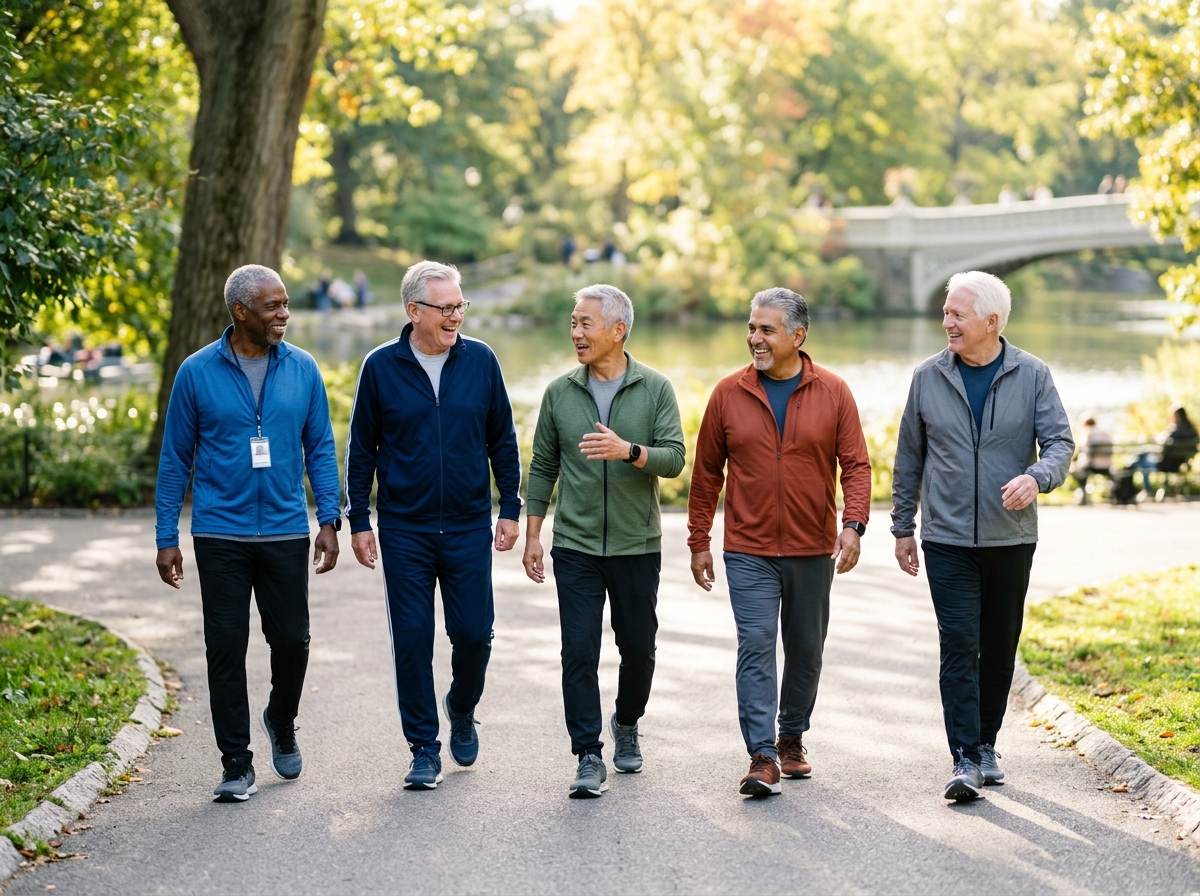
The CDC notes that exercising with a partner or group radically increases long-term adherence rates and provides critical psychosocial benefits.
timer Habit Stacking
Link a new exercise habit to an existing one. For example, doing calf raises while brushing your teeth, or walking immediately after eating lunch to blunt blood sugar spikes.
verified_user Safety First
Consult your physician before beginning any new regimen, especially if you have pre-existing cardiovascular conditions. Start low and progress slowly.