Step Into Health: The Transformative Power of Brisk Walking
Sometimes, the most powerful interventions are the simplest. Regular physical activity is one of the most important things you can do for your health, and brisk walking is an accessible, sustainable, and highly effective way to achieve it. Backed by rigorous guidelines from the Centers for Disease Control and Prevention (CDC) and the National Institute on Aging (NIA), walking is a foundational pillar of healthy aging and active recovery.
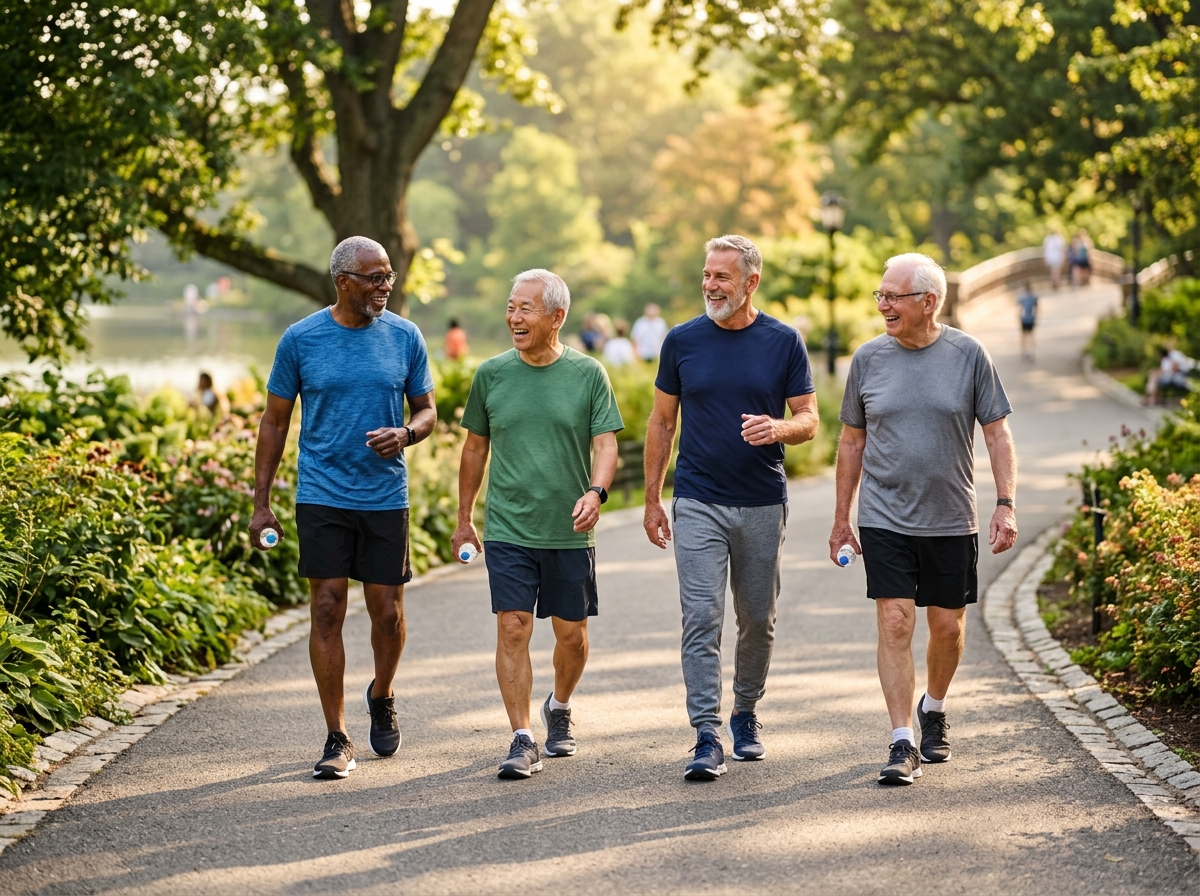
Brisk walking is a moderate-intensity aerobic activity. This means it gets your heart rate up and makes you breathe harder, but you can still talk during the activity. The CDC recommends that adults aim for at least 150 minutes of moderate-intensity physical activity each weekwhich breaks down to just 30 minutes a day, five days a week. Doing so provides both immediate and long-term profound health benefits.
The Science: Core Health Benefits
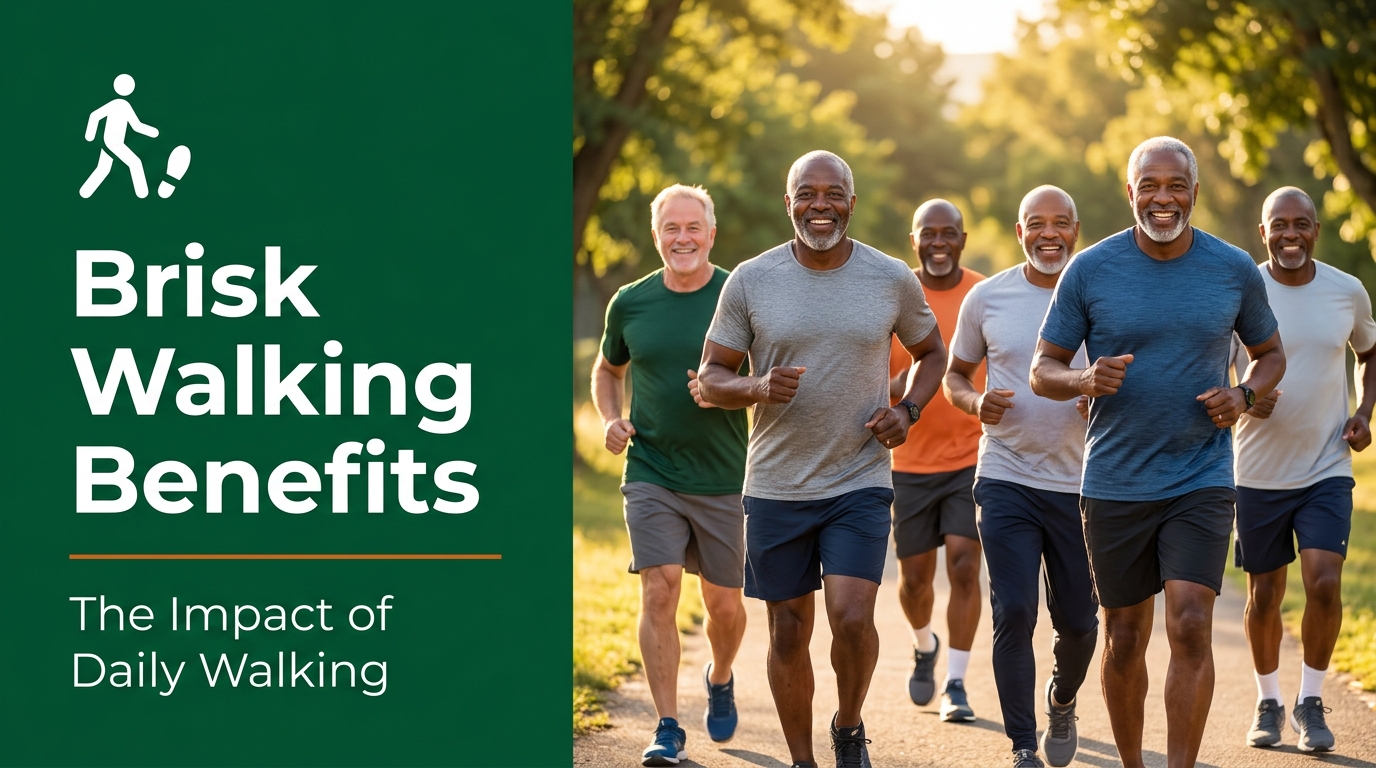
The benefits of brisk walking cascade through every system in your body. From preserving independence in older adults to reducing the risk of chronic conditions, here is what the research highlights:
1 Immediate Brain and Mental Health Boosts
According to the CDC, some benefits of physical activity happen right after a single session. A brisk walk immediately improves cognitive function, helps reduce short-term feelings of anxiety, and improves your sleep quality that night. Long-term, regular walking reduces the risk of depression and dementia (including Alzheimer's disease), keeping your mind sharp as you age.
2 Protects and Strengthens the Heart
Heart disease and stroke are two of the leading causes of death, but walking significantly lowers your risk. As an aerobic exercise, brisk walking strengthens the heart muscle, lowers blood pressure, and improves blood circulation. Meeting the 150-minute weekly goal can drastically reduce your susceptibility to cardiovascular diseases.
3 Weight Management and Metabolic Health
Physical activity plays a critical role in managing weight and metabolic syndrome. Regular walking burns calories and builds muscle endurance. It also lowers your risk of developing type 2 diabetes by improving how your body processes insulin and sugar. If you already have type 2 diabetes, daily walking helps control blood glucose levels.
4 Maintains Physical Function and Independence
The NIA emphasizes that physical functionthe ability to climb stairs, go grocery shopping, or play with grandchildrenis critical for preserving independence. Regular walking keeps your joints mobile, strengthens the muscles of your lower body, and slows the loss of bone density, reducing the risk of devastating hip fractures and falls.
5 Lowers Risk of Several Cancers
Being physically active lowers your risk of developing several common cancers. Adults who participate in greater amounts of physical activity like brisk walking have reduced risks of developing cancers of the bladder, breast, colon, endometrium, esophagus, kidney, lung, and stomach. For cancer survivors, walking improves quality of life and physical fitness.
Getting Started: Tips for Safe Walking
Walking is safe for almost everyone, but it is important to start slowly and build up your stamina. Here are recommendations from the NIA and CDC to help you build a sustainable routine:
- timer Start Small: If you haven't been active recently, begin with just 5 to 10 minutes of walking a day. Gradually increase your time by a few minutes each week until you reach your 30-minute goal.
- directions_run Check Your Pace: Remember the "talk test." During moderate-intensity walking, you should be breathing hard but still able to carry on a conversation. If you can sing, you need to walk faster. If you can't talk, slow down.
- roller_skating Wear Proper Gear: Invest in a good pair of walking shoes with solid heel and arch support. Wear bright colors or reflective gear if you walk in the early morning or evening.
- water_drop Stay Hydrated: Drink water before, during, and after your walk, especially in hot weather. Do not wait until you feel thirsty to take a sip.